
When basement water is an emergency
Water in a basement puts the furnace, the water heater, the electrical panel and stored belongings at risk, and a finished basement adds drywall, carpet and trim. If the water is deeper than a puddle, stay out. Water can hide electrical hazards and, if it came from outdoors or a drain, may be contaminated.
- Stay out of basement water that is deep, rising or near electrical equipment.
- If the panel or outlets are underwater, call the electric utility or 911 and do not touch them.
- Stop any indoor source, such as a supply line or water heater, by closing the main or the fixture valve.
- Move belongings off the floor if you can do so from dry ground.
- Call our 24/7 line and tell us the depth and where the water seems to come from.
We answer at all hours, including storms, nights and weekends, and offer same-day response when available.
Where basement water comes from
Heavy rain and groundwater
Saturated soil pushes water through the foundation, floor cracks and window wells.
Sump pump failure
A pump that fails during a storm, loses power or is overwhelmed lets water rise.
Plumbing and water heater leaks
Indoor sources, covered on the water heater leak page and the burst pipe page.
Sewer and drain backup
Water rising from floor drains is contaminated. See sewage backup cleanup.
The source decides the water category. Clean indoor leaks are simpler than groundwater or drain water, which is treated as contaminated.
What a basement cleanup involves
- Pump out standing water, then remove mud and debris.
- Remove wet carpet, pad, insulation and drywall that cannot be dried.
- Clean and sanitize hard surfaces and framing where the water was not clean.
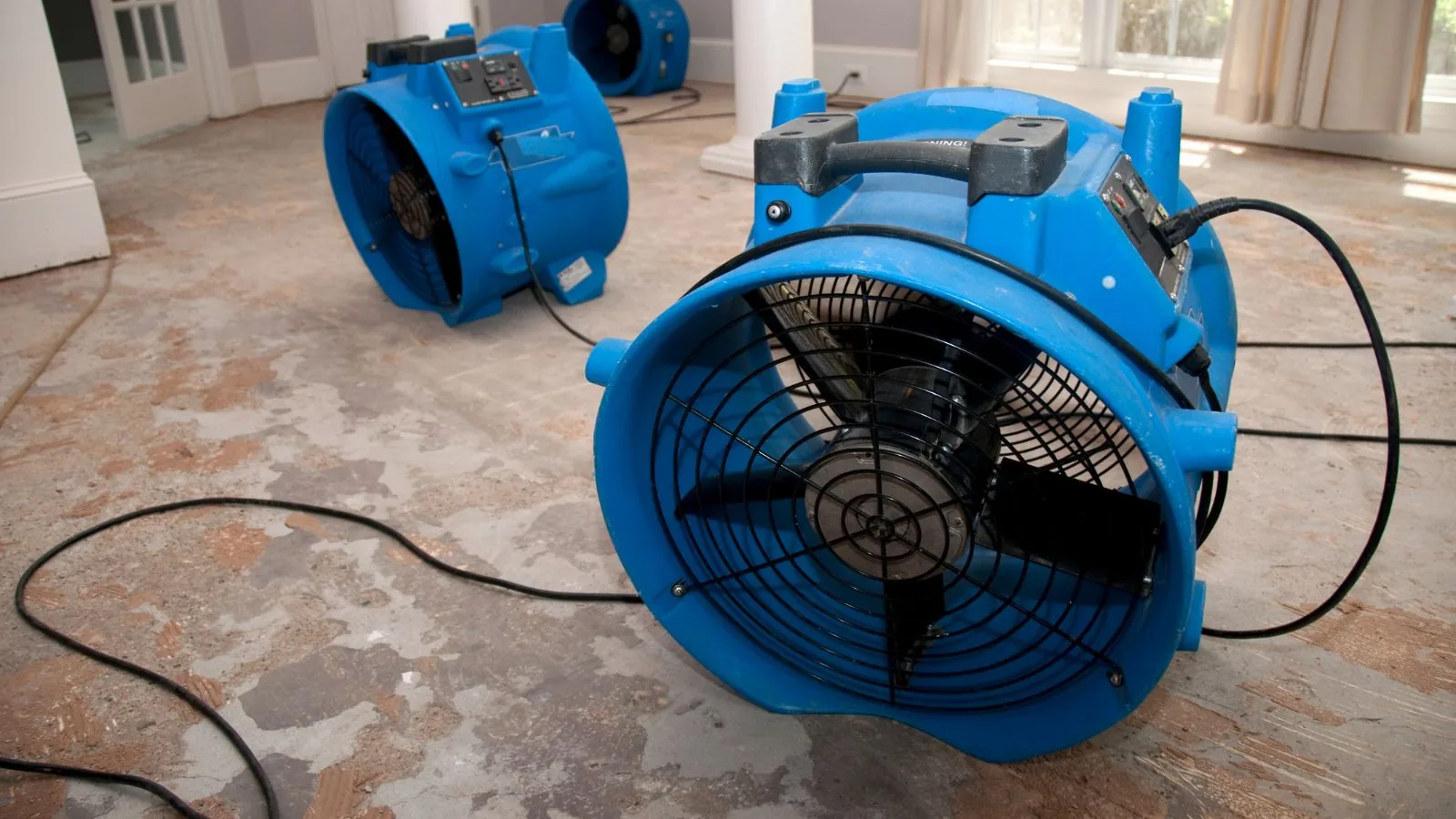
- Dry the basement with air movers and dehumidifiers and check readings until it is dry.
- Document the loss, the water line and the materials removed.
Concrete walls and floors dry slowly, and a basement often needs several days of dehumidification. Stored items such as cardboard boxes, upholstered furniture and clothing may need discarding.
Basement flooded or seeping?
Call the 24/7 line. We will explain what to move, what to leave and how we would start.
Restoration is not waterproofing
We remove water and dry what it soaked. We do not repair foundations, install drains or waterproof walls, and we say so openly. If your basement keeps taking on water after storms, you may need a drainage or waterproofing specialist, and a sump pump and a backup battery are a common first step. We can point out where the water entered, so the right trade fixes the right problem.
Basements in South Orange and Maplewood
The September 1, 2021 storm showed what basements in this area face. Residents of South Orange and Maplewood spent that night bailing basements and moving belongings to higher ground, and the Maplewood Memorial Library's basement was flooded by the nearby East Branch of the Rahway River. The East Branch runs the full length of South Orange, and the Village describes its low-lying areas as prone to flooding.
The South Orange Office of Emergency Management suggests anchoring fuel tanks and raising heating systems, electrical panels and appliances in flood-prone areas, and clearing storm drains and catch basins. Check whether your address is flood-prone on the FEMA Flood Map Service Center or call the Office at 973-378-7715.
What shapes the cost
Water category
Groundwater or drain water is treated as contaminated, which adds steps.
Depth and area
Deeper water over a larger floor takes more pumping.
Finished or unfinished
Carpet, drywall and trim add removal and drying.
Contents
Stored items and furniture add handling.
Drying time
Concrete and masonry dry slowly.
Insurance note: coverage depends on your policy and on what caused the loss. The New Jersey Department of Banking and Insurance states that homeowners policies exclude water damage caused by flood, which needs separate flood coverage. Sump pump overflow and groundwater seepage are often excluded or limited unless you have added coverage, so confirm with your agent.
Want your real number? Call (973) 913-7965. We explain scope and price before work starts.
Frequently asked questions
Do you handle basement water emergencies at night or on weekends in South Orange?
Yes. We answer 24/7, including during storms. We offer same-day response when available.
Can you stop my basement from flooding again?
No. We restore after the water, but we do not waterproof. A drainage or waterproofing specialist addresses recurrence, and a sump pump is a common first step.
Is basement flood water covered by insurance?
Standard homeowners policies exclude flood and often limit sump overflow and seepage. Check for endorsements and flood coverage.
What do I do with wet stored items?
Move what you can to dry ground. Cardboard, upholstered items and clothing that soaked in dirty water are often discarded. Photograph them first.
How long does a basement take to dry?
Often several days, and longer for concrete and masonry. Readings show when it is dry.