
Musty smell, damp walls or a floor that stays cool and damp?
If the leak was fixed and the puddle is gone but a wall feels cool, the baseboard has lifted or the room smells damp, water is still in the structure. The name for the process that removes it is structural drying, and the work around it is called water mitigation. In plain words it means finding the hidden wet materials and drying them out with equipment before they swell, stain or hold odor.
Water mitigation: the first days after a loss
Water mitigation means limiting the damage a water loss does. It runs from stopping the water to removing it, then drying and monitoring. Done early, it keeps more of the original materials in place and cuts the repair that follows.
- Stop the source and remove standing water.
- Inspect and map where water traveled using moisture meters and thermal imaging.
- Remove materials that cannot be dried, such as saturated pad or insulation.
- Place drying equipment and set up a monitored plan.
- Check readings on each visit and adjust equipment until the structure is dry.
How drying equipment works
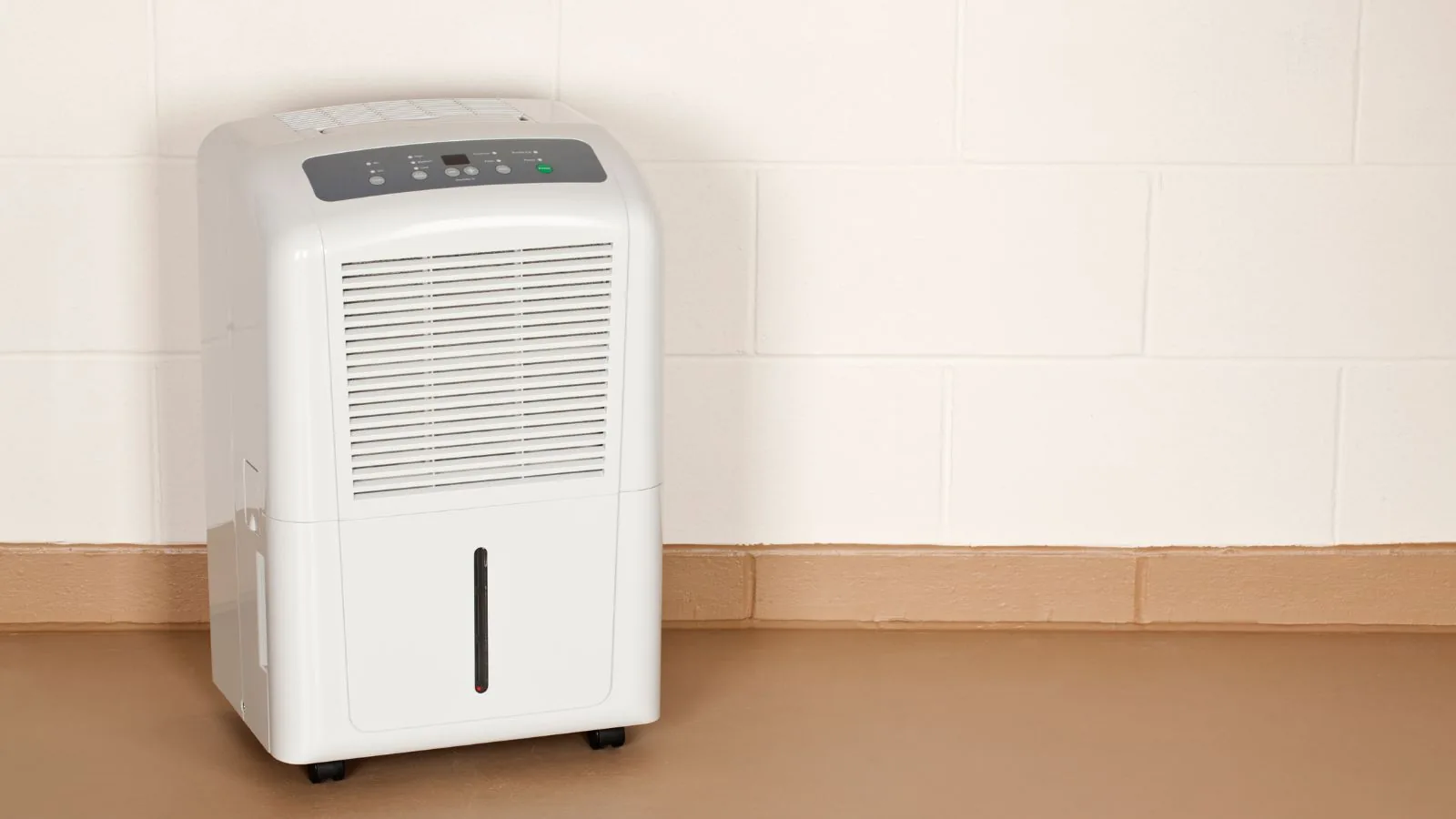
Wet materials give up water into the air. The air then has to be removed or the room just gets humid. Drying uses three things together: air movement across wet surfaces, dehumidification to remove moisture from the air and controlled temperature so evaporation continues.
Air movers
Powerful fans that blow air across wet floors and walls, speeding evaporation from the surface.
LGR dehumidifiers
Low-grain refrigerant units that pull moisture out of the air even in cooler, damp conditions.
Desiccant dehumidifiers
Used where air is cold or humidity must come down further, such as winter losses.
Directed drying systems
Hoses and panels that push air into wall cavities and under cabinets or floors.
Placement matters as much as the number of machines. Equipment is positioned based on the moisture map and moved as the readings change, which is why a drying job is a monitored process rather than a machine left in a room.
Not sure how wet the building still is?
Call us. We can explain how a moisture check works and what it shows, and schedule a visit.
Moisture mapping: how we know what is wet
A moisture map is a record of readings taken across floors, walls and ceilings. Meters measure the moisture content of drywall and wood, and thermal imaging shows cooler wet areas through the surface. The crew marks the wet boundary and records starting readings, and these are compared against an unaffected area of the same material to set the drying goal.
The moisture mapping guide explains the process in more detail, including how readings are taken and what the numbers mean. Drying is finished when the structure reaches the dry reference, not when it simply feels dry.
How long drying takes
Drying is measured in days, not hours, and the time depends on material and conditions. Thin drywall dries faster than hardwood, and framing, subfloor and plaster hold water longer. Warm, low-humidity conditions speed it up. Cold or very humid weather slows it. The drying time guide covers the factors.
Many people ask about drying equipment. Our crew places and monitors drying equipment as part of the job, because readings and placement decide the result more than the machines do.
Drying older South Orange homes
South Orange has older houses, including the Montrose Park Historic District, whose homes were built between about 1870 and 1930. Materials in houses of that age can include plaster and lath walls and old-growth framing. Plaster dries differently from modern drywall, which is why moisture readings guide the drying plan instead of rules of thumb.
Humid summers also change the plan. Newark airport records about 123 days a year with measurable precipitation, and summer humidity makes dehumidification do more of the work. We use dehumidifiers rather than relying on open windows, which can bring more humid air in.
What the industry standard says
Structural drying is the core of the ANSI/IICRC S500 standard. It describes how air movement, dehumidification and temperature work together, and it expects daily readings so the drying goal is shown by data and not by guesswork.
What to do while drying equipment runs
- Keep equipment running and do not unplug units to use an outlet.
- Keep doors and windows closed in the drying area, as the crew directs.
- Keep children and pets away from cords and hot exhaust.
- Do not turn the thermostat down, because warm air dries faster.
- Write down any odor or new stain and tell the crew at the next reading.
These steps are about safety and keeping the damage from growing. They are not a substitute for the instructions of your utility, fire department or electrician.
What shapes the cost
Area and materials wet
Square footage and material type set equipment counts.
Drying duration
Dense materials and humid conditions extend the number of days.
Equipment needed
Air movers, dehumidifiers and directed drying systems are scaled to the moisture map.
Monitoring visits
Readings on each visit let the crew adjust the plan.
Materials removed
Wet insulation or pad that cannot be dried is taken out first.
Insurance note: coverage depends on your policy and on what caused the loss. The New Jersey Department of Banking and Insurance states that homeowners policies exclude water damage caused by flood, which needs separate flood coverage. Insurers often ask for drying logs and moisture readings, which we provide.
Want your real number? Call (973) 913-7965 for scope and price before work starts.
Frequently asked questions
Why does my house still smell damp after the leak was fixed?
Water left in walls, subfloors or insulation keeps releasing moisture and odor. A moisture check finds it, and drying removes it.
How many days will drying equipment run?
It depends on materials, area and conditions. Drying is measured in days, and readings tell us when the structure matches the dry reference.
Can I use box fans and a household dehumidifier instead?
They help with minor dampness, but they rarely dry wall cavities, subfloors and framing evenly. A moisture map and professional equipment give a measurable result.
Will the equipment be loud?
Air movers and dehumidifiers produce noticeable fan noise, similar to running several large fans. Crews place them to dry efficiently and explain what to expect.
Is drying the same as repairing?
No. Drying removes the water. Repair, such as new drywall or flooring, happens after the structure is dry.