
A realistic range
For a typical clean-water loss that is caught quickly, professional drying often takes about three to five days. That range is a general rule of thumb. A small leak that wet one wall can dry sooner, and a flooded basement with wet framing and concrete can take longer. Every job has its own number, which readings determine.
A day count is less useful than a dry standard. The crew measures a material that was never wet, uses it as the target and keeps drying until the wet areas reach that level. When the readings match, drying is complete, whether that takes two days or ten.
What controls drying time
How wet the materials got
Soaked materials hold more water and take longer than ones that were only damp.
Material type
Hardwood, concrete and plaster dry slowly. Carpet and drywall dry faster, if they dry at all.
How fast the response was
Water that sits for days moves deeper into materials and starts new damage.
Air conditions
Warm, dry, moving air removes moisture. Humid, still air slows it.
Equipment placement
Air movers and dehumidifiers work best when placed using a moisture map.
Concrete is a good example. A basement slab holds a lot of water and releases it slowly, so a basement can take longer than a first-floor room. Hardwood can take a long time too, and the hardwood floor page explains how it is dried and when it is replaced.
Water damage that has not dried?
Call the 24/7 line. We can take readings and tell you whether the structure is drying or stalled.
How drying works
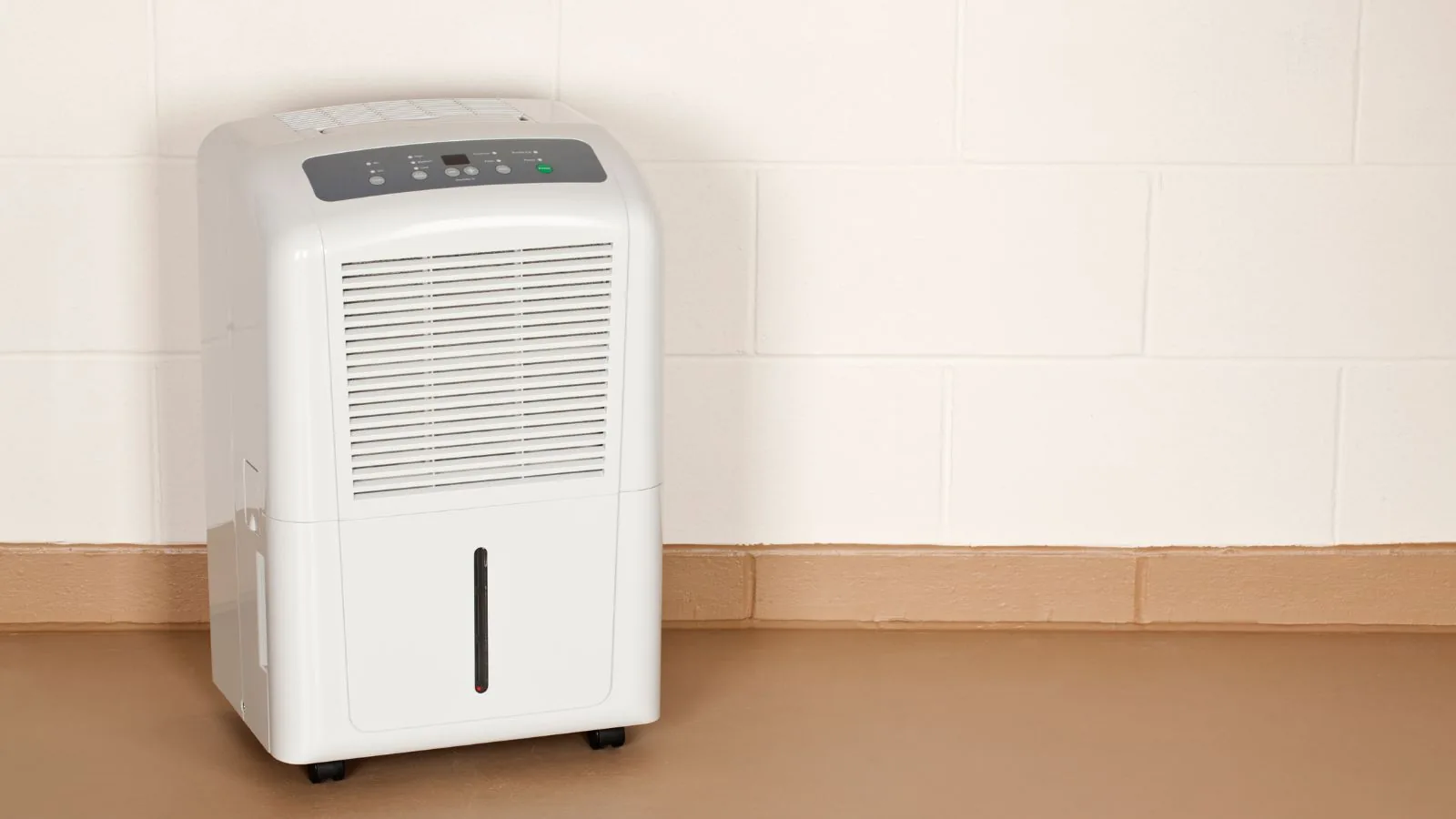
Drying has four parts. Extraction removes standing water. Air movers push air across wet surfaces to lift moisture into the air. Dehumidifiers pull that moisture out of the air so it cannot settle again. Monitoring visits take readings and adjust the equipment. The cycle repeats until readings reach the dry standard.
The method is covered in detail on the structural drying page. Notice that the equipment is not left unattended. A crew returns, checks the readings and moves or removes equipment as areas dry. This is what separates a dried structure from one that only felt dry.
Signs that drying has stalled
| Sign | What it can mean | What to do |
|---|---|---|
| Readings stop falling for a day or two | Moisture is trapped or a source remains | Check for a leak and change the equipment setup |
| Humidity in the room stays high | Dehumidifiers are too few or the room is not closed | Add capacity and close the area |
| Odor appears or grows | Material is staying damp | Find the wet layer and open it |
| Floor cups or buckles | Moisture is trapped under the floor | Check the subfloor and ventilate |
| Equipment is removed but walls feel cool | Evaporation is continuing | Take new readings |
A day-by-day picture of a typical job
On the first day the crew removes standing water, maps the wet areas and sets air movers and dehumidifiers. The air in the room is often very humid at this point, and that is normal, because the equipment is pulling moisture out of the materials faster than the air can clear it.
On the second and third days, readings usually drop in the thinner materials such as carpet backing and drywall paper. The crew returns, records readings and moves equipment toward areas that are still wet. Pad, baseboard and wet insulation that cannot dry are removed at this stage so the cavity behind them can dry.
By the fourth or fifth day, the denser materials, such as framing, subfloor and plaster, begin to approach the dry standard. Concrete and hardwood can take longer. Equipment stays until the final readings match the standard, and then it is removed. If a reading stalls, the crew looks for a hidden source or adjusts the setup instead of simply waiting.
What you can do during drying is limit the work. Keep doors to the drying area closed, leave equipment plugged in and avoid turning off the dehumidifiers. A quiet house is not a sign the job is finished, and noise from the equipment is the sound of moisture leaving the building.
What you can expect to see and hear
Drying equipment is loud and can make a room warm. Air movers sound like large fans, and dehumidifiers add heat as they run. That is normal and a sign that the equipment is working. Electricity use rises during the job, and your insurer may ask for the equipment count and days for the claim record.
Do not be alarmed when the equipment is moved. A crew moves air movers as areas dry so the remaining wet spots get more airflow. If you notice that nobody has taken readings in several days, ask for them. Regular readings are the proof that drying is progressing.
Why cold and damp weather matter in New Jersey
Winter drying is different from summer drying. Newark airport records about 21 days in January with a low at or below 32 degrees, so unheated basements and garages are cold, and cold air holds little moisture. A crew often warms the space to help evaporation. In summer, humidity is the main enemy, and dehumidifiers do most of the work.
Local fact: weather and drying
Newark airport averages about 21 days in January with a low at or below 32 degrees.
Annual precipitation days average about 123, so humid conditions are common.
Both cold basements and humid summers can stretch drying time.
Homes in Maplewood and Newark face the same weather. Ask for readings each visit so you can see progress. To start drying, call (973) 913-7965.
Frequently asked questions
How long does water damage take to dry?
Often about three to five days for a clean-water loss caught quickly, though it varies. A crew keeps drying until readings reach the dry standard.
How do I know the structure is dry?
Readings from the wet areas match those of a material that was never wet. A technician records those numbers.
Why do basements take longer to dry?
Concrete and framing hold a lot of water and release it slowly, and basements are often cool and humid.
Can I speed up drying with fans alone?
Fans move air but do not remove moisture from it. A dehumidifier is needed to take the water out of the air.
Does winter weather slow drying in South Orange?
It can. Cold basements and garages slow evaporation, so a crew may warm the space and control the air.