
Know the season and the local risk
Atlantic hurricane season runs from June 1 to November 30. Hurricane Ida's remnants reached South Orange on September 1, 2021 and filled basements across South Orange and Maplewood. The Village of South Orange notes that some areas are low-lying and prone to flooding, and the East Branch of the Rahway River runs the full length of the village.
A storm does not need to be a hurricane to cause damage. Heavy rain over a short time can overload drains and push water into basements. Knowing whether your house is in a low spot, near the river or beside a slope helps you decide what to prepare first.
A checklist for the outside of the house
- Clean gutters and make sure downspouts carry water at least several feet from the foundation.
- Clear window wells and check that covers fit.
- Check the grade, so soil slopes away from the house.
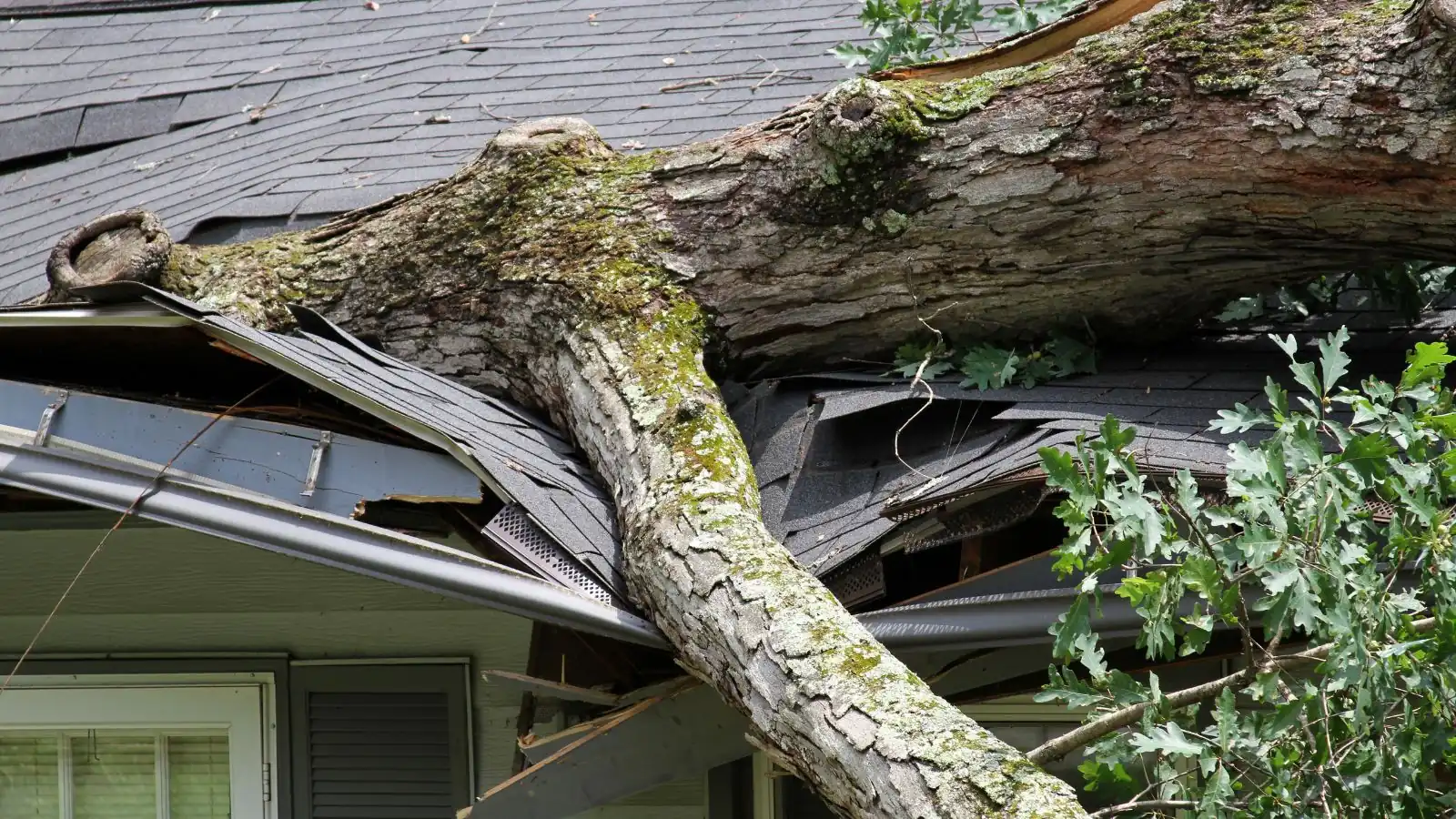
- Look at the roof, flashing and chimney for gaps or loose pieces.
- Trim branches that could fall on the roof or lines.
- Move outdoor items that could block drains or blow around.
Storm water already in the house?
Call the 24/7 line. We will explain what to do first and what the response involves.
A checklist for the basement and utilities
| Item | What to do | When |
|---|---|---|
| Sump pump | Pour a bucket of water into the pit and confirm the pump starts and discharges. | Before June and after heavy storms |
| Battery backup for the pump | Test it and replace an old battery. | Each spring |
| Floor drain | Pour water to confirm it flows and clear any blockage. | Each season |
| Stored items | Lift boxes onto shelves or plastic bins away from the floor. | Before storm warnings |
| Water heater and electrical panel | Know where the shutoffs are and keep a flashlight nearby. | All year |
A battery backup matters because storms often cause power loss at the moment the pump is needed most. If a pump fails and water comes in, see basement water damage cleanup for what happens next.
Know your safety thresholds and your route
The South Orange Office of Emergency Management, at 76 South Orange Avenue, publishes flood safety guidance. It refers to flood depths of 6 inches, 12 inches and 2 feet, and South Orange Avenue westbound is the listed evacuation route. Know your route before you need it, and never drive into water of unknown depth.
Local fact: South Orange emergency contacts
The Office of Emergency Management is at 76 South Orange Avenue and its number is 973-378-7715.
South Orange Avenue westbound is the evacuation route in severe flooding.
Hurricane season runs from June 1 to November 30.
Keep important papers, medications and a charged phone in one place you can grab. Write down the numbers for your utility, your insurer and your local office. Residents of Maplewood and Millburn can follow the same checklist, since both sit on the same river system.
Insurance and documents before the storm
Check your coverage before the storm. Homeowners policies exclude flood, according to the New Jersey Department of Banking and Insurance, so ask your agent about a flood policy and any waiting period. Windstorm damage is generally covered, and temporary repairs are covered when the loss is covered.
Photograph your house and valuables now, while everything is dry. A dated walkthrough video of each room takes minutes and makes a later claim easier. Store copies in the cloud and keep the policy number with your emergency papers.
A one-evening plan for the week before a forecast storm
When a storm is forecast, a short evening of work helps. Carry valuables and electronics out of the basement. Raise furniture legs onto blocks if you have a finished basement. Charge phones and a portable battery. Fill a few containers with water for drinking and flushing in case the supply is affected.
Check the sump pump again and confirm the backup battery is charged. Clear leaves from the nearest storm drain if you can do it safely from the curb. Move vehicles to higher ground if your street is known to flood, and take photos of the house and yard before the storm arrives.
Know where the main water valve and the electrical panel are. Tell everyone in the household which exit they will use and where to meet. Keep emergency numbers on paper in case your phone fails, including the Office of Emergency Management at 973-378-7715.
After a storm: first look around the outside
When it is safe to go outside, check the gutters, the downspouts and the ground around the foundation. Look for standing water against the house, soil washed away and window wells that filled. Check the roof from the ground for missing shingles or lifted flashing, and photograph anything that looks damaged.
Inside, check the basement walls and floor, the ceilings under the roof and the corners near windows. A small amount of water found early is far easier to handle than a stain discovered a week later.
When the storm passes
Wait until officials say it is safe to return and stay out of floodwater, which can carry sewage and chemicals. Photograph the damage before moving anything. Call your insurer and a restoration company as soon as the water stops rising, because wet materials damage faster each day.
If the water is out of the house but the structure is wet, drying is next. Our storm water damage cleanup page explains the process. Call (973) 913-7965 when you are ready to start.
Frequently asked questions
When should I prepare for storm season in South Orange?
Before June 1, when Atlantic hurricane season begins. Test the sump pump, clean gutters and clear window wells in spring.
Does homeowners insurance cover storm flooding?
Usually not. The state insurance department says homeowners policies exclude flood, though windstorm damage is generally covered. Ask your agent about flood coverage.
What is the evacuation route in South Orange?
The South Orange Office of Emergency Management lists South Orange Avenue westbound as the evacuation route during severe flooding.
How often should I test my sump pump?
At the start of each season and after heavy storms. Pour water into the pit and confirm the pump starts and discharges.
Is it safe to walk through floodwater?
No. Floodwater can be deeper than it looks and can carry sewage and chemicals. Stay out until officials say it is safe.