
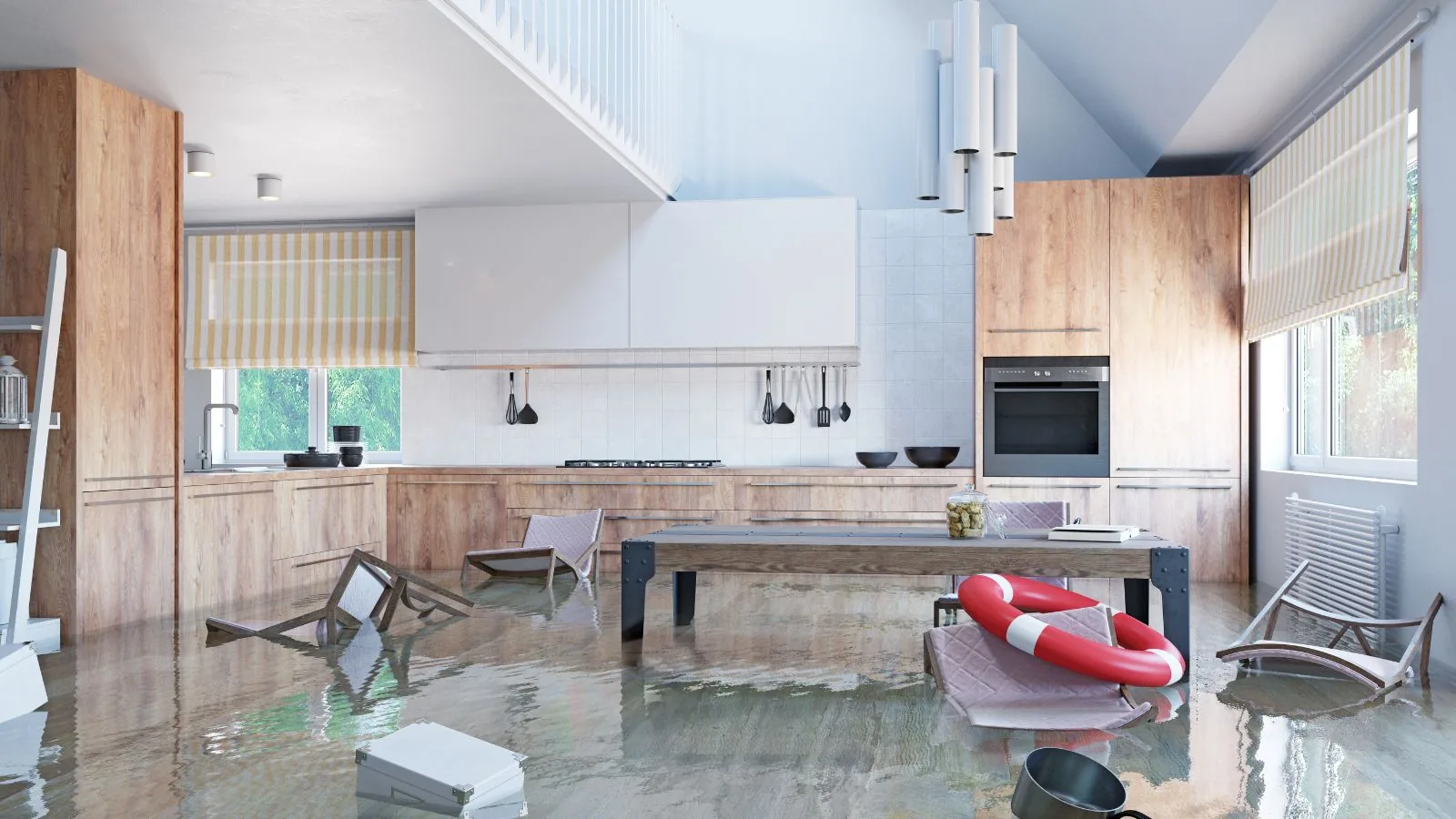
The first steps for a tenant
If water is coming into your apartment, stop the source if it is yours to stop, such as a faucet or a supply valve, and tell your landlord or property manager right away. Then document the damage with photos and video. Written notice matters, so follow a phone call with a text or email that names the date, the location and what you saw.
Move belongings out of the water's path and keep receipts for anything you must buy or replace. If the water is coming from the unit above, tell the manager so the source is found quickly, and keep records of every message.
Who is responsible for what
| Item | Usually handled by | Note |
|---|---|---|
| Repairing the leaking pipe or roof | Landlord | Landlords must keep rental units in livable condition. |
| Drying the structure and repairing walls and ceilings | Landlord or the building's insurer | A restoration company can be called by the landlord. |
| Your belongings | Your renter's insurance, if you have it | The landlord's policy generally does not cover a tenant's property. |
| Temporary housing | Depends on the lease and the policy | Ask in writing what is offered. |
Water damage in an apartment or rental?
Call the 24/7 line. We work with landlords, managers and tenants, and we explain scope and price before work starts.
What New Jersey's tenant rules say
New Jersey recognizes an implied warranty of habitability in residential leases. The New Jersey Supreme Court decided Marini v. Ireland in 1970, and the principle has shaped tenant rights since. The state's Division of Consumer Affairs also publishes the Truth in Renting guide and a habitability bulletin from September 2022 that tenants and landlords can read.
These are general sources, and they are not legal advice. If a landlord does not respond to a serious water problem, a tenant can contact the local housing office or consult a legal aid group. We restore water damage and we cannot tell you what your lease means.
Local fact: places to read the rules
The New Jersey Division of Consumer Affairs publishes the Truth in Renting guide for tenants.
The Division also issued a habitability bulletin in September 2022.
Marini v. Ireland, a 1970 New Jersey Supreme Court case, is the foundation of the state's implied warranty of habitability.
What landlords should do
Respond quickly and keep records. Water left in a building spreads, so a fast reply protects the structure and the other tenants. Call a restoration company early if more than a small area is wet, and share the moisture readings with the insurer. A written note to the tenant that explains the plan and the timing avoids confusion.
- Shut off the source and make the unit safe.
- Document the loss with photos and the date and time you were told.
- Arrange drying and repairs through a restoration company, and tell the tenant what to expect.
- Notify your insurer, and the tenants' renters insurers if tenants ask.
- Check the units above and below, since water travels between floors.
Renter's insurance and the tenant's belongings
A landlord's insurance generally covers the building and not the tenant's belongings. If you rent, a renter's policy is what usually pays for damaged furniture, clothes and electronics after a covered event. Read the policy and ask whether it covers water from a burst pipe, from an upstairs neighbor or from a sewer backup, since the answers differ.
After a loss, make a list of damaged items with photos. Keep receipts for emergency costs, such as a hotel stay or a laundry service, and ask your insurer what is covered. Do not throw items out until the insurer has seen them or approved their disposal.
If the building owner makes repairs, ask for a written timeline. A tenant who documents dates, messages and photos is better placed if there is a disagreement later. And if the rental is a multi-unit building, tell neighbors who may be affected so they can check for damage of their own.
A written notice that works
A short message is enough. State the date, the unit, the location of the water and what you saw. Say that you are asking for repairs and ask when someone will come. Attach photos and keep a copy. Send it by email or text so there is a record, and follow up if there is no answer within a day or two.
Keep the tone factual. A calm, dated record is more useful than a long complaint, and it helps whoever reviews the situation later, whether that is an insurer, a housing office or a legal aid group.
What the industry standard says
The ANSI/IICRC S500 standard is a neutral reference for both tenants and landlords. It describes what a proper drying job documents, which helps settle questions about when the water arrived and how long materials stayed wet.
What to do before the landlord responds
- Stop the water if you can reach a valve, and tell your landlord right away in writing.
- Move belongings out of the wet area.
- Take dated photos and video of the damage.
- Keep receipts for any emergency costs.
- Do not sign anything about fault until you understand it.
These steps are about safety and keeping the damage from growing. They are not a substitute for the instructions of your utility, fire department or electrician.
Apartments, two-family houses and larger buildings
South Orange and its neighbors have a mix of apartment buildings and multi-family houses. Water in one unit often affects another, and a leak in a bathroom can reach a ceiling below. In Vailsburg, the part of Newark beside South Orange, Lower Vailsburg includes two-family homes where this happens.
When a building has several units, the owner, the manager and a restoration company should agree on one plan. A crew can dry several units at once, and the readings show when each one is ready for repair. Our ceiling water damage repair page explains how a wet ceiling is handled, and Maplewood residents have the same options.
To arrange drying in a rental or multi-unit building, call (973) 913-7965.
Frequently asked questions
Who pays for water damage in a rental apartment?
The landlord usually repairs the building and the leak. Your belongings are covered by your own renter's insurance if you have it. Check your lease and ask questions in writing.
Should I tell my landlord in writing?
Yes. Follow a phone call with a text or email that names the date, the location and the damage, and keep copies.
Can I call a restoration company myself?
You can call to ask for advice, but the landlord usually decides on repairs to the building. In an emergency, protect your belongings and call the manager.
Is Vailsburg part of South Orange?
No. Vailsburg is a neighborhood of Newark that borders South Orange. Both have older multi-family housing, where water often passes between units.
What if my landlord does not respond?
Keep records and read the state's tenant resources. A local housing office or legal aid group can explain your options. We do not give legal advice.