
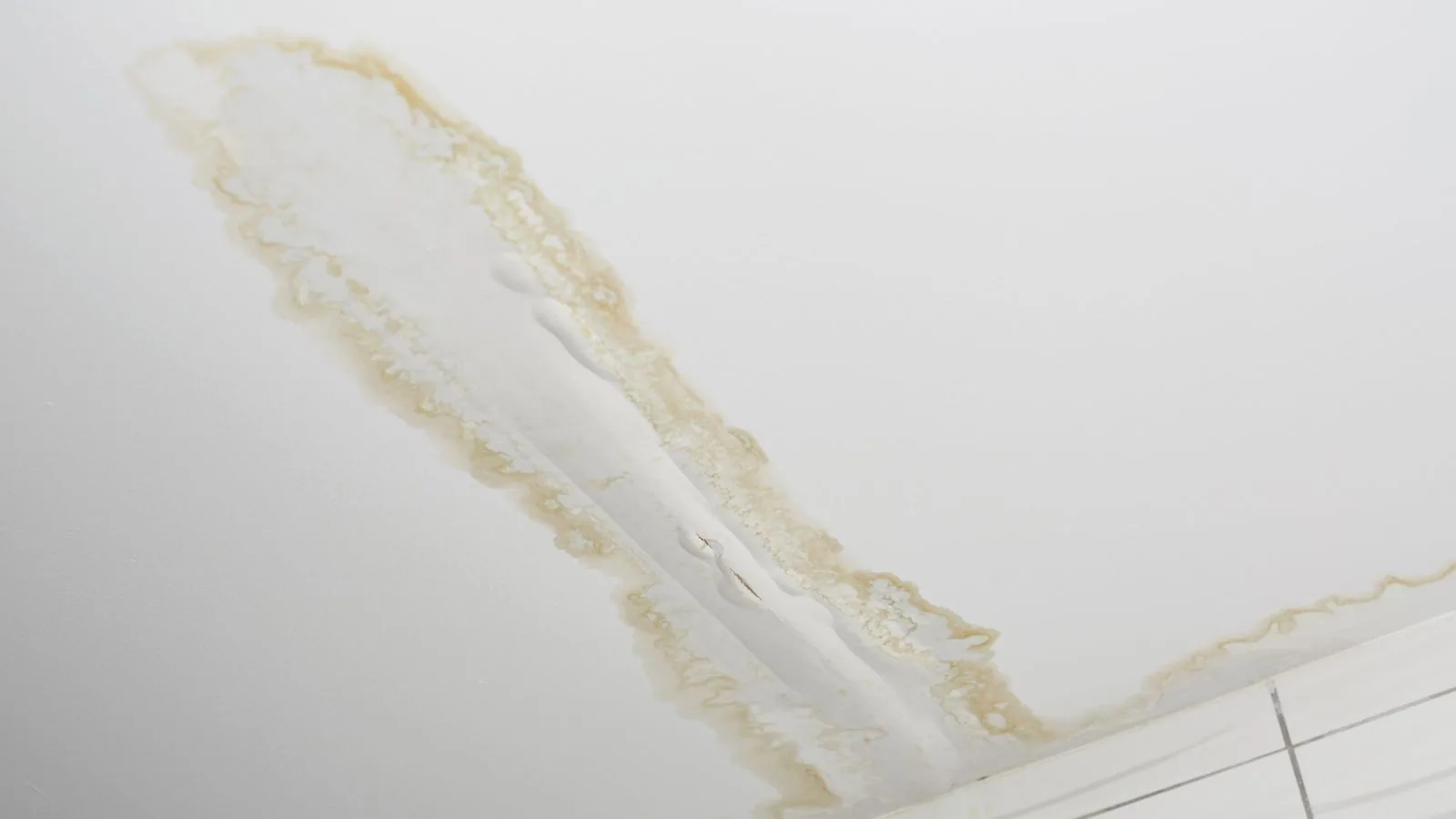
Start documenting before you start cleaning
The best claim evidence is taken before anything moves. Photograph and video every wet room from the doorway and from corners, then take close-ups of the damaged surface. Include the waterline on walls, wet ceiling stains and any visible source such as a split pipe or a failed hose. Date-stamped files are best, and phone cameras do this by default.
Keep damaged items until your adjuster has seen them or approved their disposal. If something is unsafe to keep, take photos of it and the label, then write down what it was and its approximate age. A simple room-by-room list now saves hours of memory work later.
The documents an adjuster usually wants
| Document | Why it matters | Who provides it |
|---|---|---|
| Photos and video of the loss | Shows the cause, the extent and the condition before cleanup | You |
| Moisture readings and a drying log | Shows how wet the structure was and when it dried | The restoration company |
| List of damaged belongings | Supports the contents part of the claim | You, with photos and receipts if you have them |
| Receipts for emergency costs | Shows temporary repairs, pump rental and similar costs | You and the vendors |
| Repair estimates | Sets the cost of rebuilding what cannot be dried | Contractors, shared with the adjuster |
Water damage and a claim to file?
Call the 24/7 line. We will start the drying and keep the moisture records that most adjusters ask for.
How a drying log supports a claim
When a restoration crew dries a structure, it records moisture readings on the first visit and at every return visit. The readings show that materials started wet and reached a dry standard. That is why structural drying is more than a few fans. The log shows what was wet, how it was treated and when the target was reached.
The same log can help with disagreements. If a policy covers the cost of drying but the adjuster questions how long it took, the readings answer that question with numbers. Ask your restoration company for a copy of the log and the photos when the job closes.
Temporary repairs and receipts
New Jersey's insurance regulator advises that temporary repairs to protect a home from further damage are generally covered when the underlying loss is covered. Tarping a roof, boarding a window or extracting standing water are typical examples. Keep every receipt and take before-and-after photos, because those are your proof of what was spent.
Do not start permanent repairs until your insurer has seen the damage unless the work is urgent. Replacing flooring or drywall before inspection can make it hard to show what the loss looked like. Ask the adjuster what they need to see before demolition and tell the restoration crew what the adjuster said.
Local timing: storm losses in the South Orange area
After a large storm, adjusters in northern New Jersey handle many claims at once, so inspections can take longer than usual. If that happens, document everything, protect the structure and keep receipts. Residents in Maplewood and Millburn saw this pattern after Ida, when entire neighborhoods filed at the same time.
Local fact: where to ask questions in New Jersey
The Department of Banking and Insurance operates a consumer hotline at 1-800-446-7467 for policy and claim questions.
Flood claims run through a separate policy, so tell your agent early which kind of water caused the loss.
Ask your insurer for the claim number and the adjuster's contact details, and write down every conversation with the date.
Mistakes that make claims harder
- Throwing away damaged items before they were photographed or approved for disposal.
- Starting permanent repairs before the adjuster has seen the damage.
- Giving a vague cause of loss, since the cause decides which coverage applies.
- Losing receipts for emergency work and temporary repairs.
- Not following up in writing after phone calls with the insurer.
What to say when the adjuster calls
Be accurate and calm. Describe what happened, when you noticed it, what you did to stop the water and what is damaged. Do not guess about the cause if you do not know it. Say that a restoration company has taken readings and ask the adjuster what else they need.
Take notes during the call, including the date, the name and what was said. Ask for a written summary or follow up with an email that lists what you discussed. Clear records help everyone, and they protect you if memories differ later.
A short timeline for the first week
- Day one: stop the water, take photos and call your insurer and a restoration company.
- Day one or two: extraction and drying start, and moisture readings are logged.
- Days two to five: the adjuster inspects, and drying continues with daily or regular checks.
- End of week: readings show whether the structure is dry, and demolition decisions are made.
- After drying: repair estimates go to the adjuster, and permanent repairs are scheduled.
Every home is different, and so is every claim. If a step takes longer than you expect, ask for the reason and a new date, and write down the answer. Our water extraction process is built to start the record on the first visit.
If you need a restoration company that will keep the records your insurer wants, call (973) 913-7965 and ask us how we document a job.
Frequently asked questions
What should I photograph for a water damage claim?
Every affected room, the waterline on walls, wet ceilings, damaged belongings and the source if you can see it. Take wide shots and close-ups, and keep the original files.
Does a restoration company decide what insurance pays?
No. Your insurer decides coverage. A restoration company provides drying records, photos and scope notes that the adjuster can review.
Should I wait for the adjuster before starting drying?
No. Water left in place keeps causing damage. Document the loss, start extraction and drying, and keep the receipts and photos.
Who can I call in New Jersey if my claim is confusing?
The state Department of Banking and Insurance runs a consumer hotline at 1-800-446-7467. They can explain how the claims process works.
How long does a claim take after a South Orange storm?
It varies, and storms that hit many homes at once slow adjuster visits. Document the damage, protect the home and keep in touch with your insurer.