
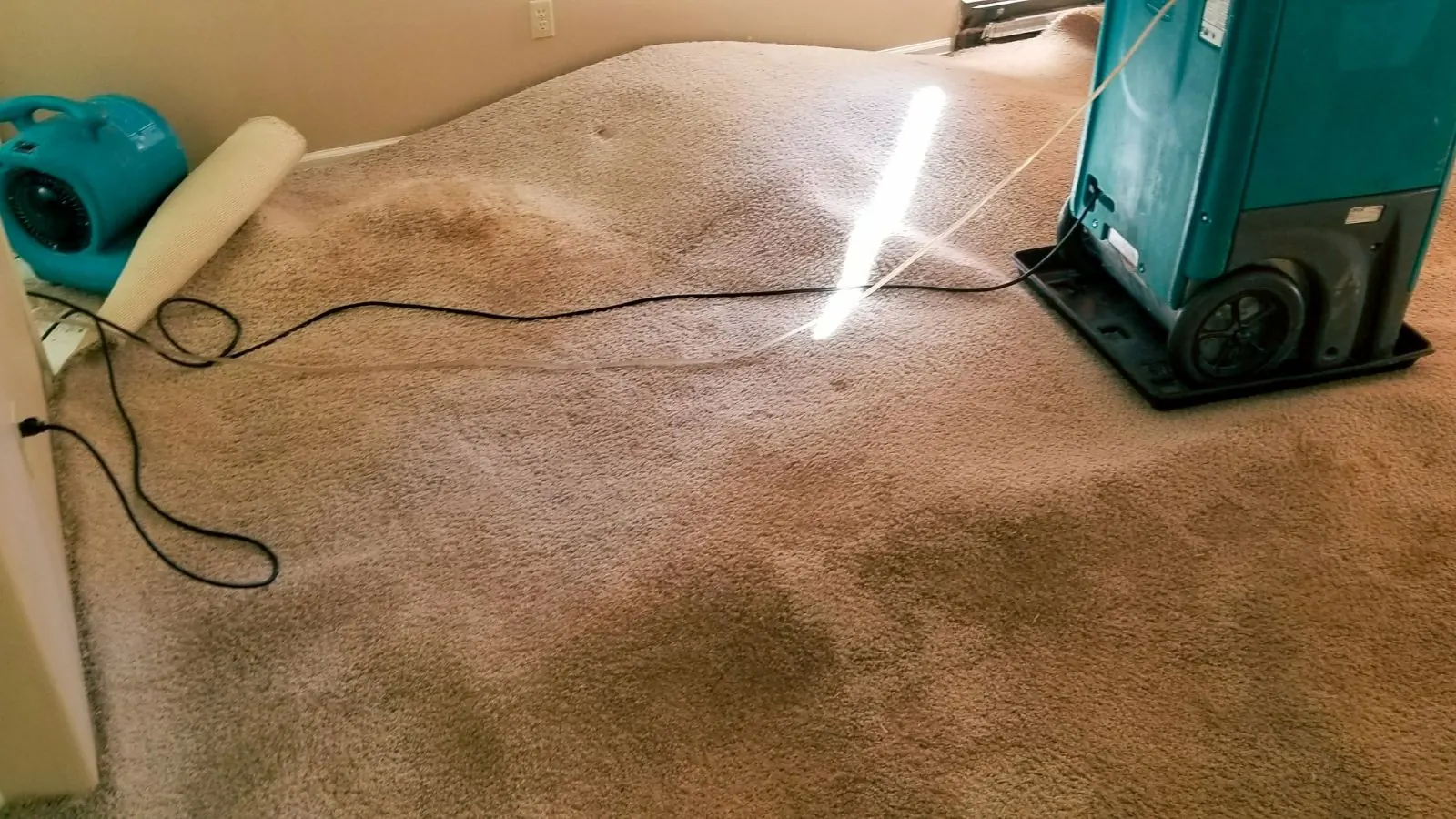
Start with the water, not the furniture
The kind of water decides most of the answer. Clean water from a supply line or a fresh roof leak is the best case. Water from a drain, a toilet, a flooded yard or a river is contaminated, and porous items that soak it up are generally not worth saving. The ANSI/IICRC S500 standard groups water into three categories, and the category guides what stays and what goes.
Time matters too. An item that was wet for a few hours is in a different position from one that sat wet for several days. Move the item out of the water, lift it onto blocks and start drying as soon as you can. Delay lets moisture move deep into the stuffing.
A decision guide by item and water type
| Item | Clean water, caught quickly | Contaminated water or long delay |
|---|---|---|
| Mattress | May be saved if only the surface is damp and it can be dried quickly. | Usually discarded, since foam and padding hold moisture. |
| Upholstered sofa | Often dried if the cushions and frame are cleaned and dried fast. | Generally discarded. |
| Solid wood furniture | Usually dried and cleaned. | May be cleaned if the finish allows, but check for swelling. |
| Particleboard furniture | Swells when wet and often cannot be saved. | Discard. |
| Rugs and carpet | Can often be dried and cleaned. | Usually removed. See carpet water damage restoration. |
Wet floor under the furniture too?
Call the 24/7 line. Water under a sofa or bed often reaches the floor, and a moisture check shows how far it went.
How to dry a mattress that was only damp
- Remove sheets and covers and set the mattress upright or on its side so air reaches both faces.
- Blot the surface with towels. Press, and do not rub, so water does not spread deeper.
- Use a fan and a dehumidifier in the room. Warm, dry air works better than closed windows.
- Let it dry fully before it goes back on a bed, and check for odor.
- If it still smells or feels damp inside after several days, replace it.
Heat should be used with care. A hair dryer on a mattress can scorch fabric and does not reach the interior. Sunshine helps with a clean-water spill, but dampness left inside the padding can still cause odor, which is explained in the structural drying guide.
What about the floor and the wall behind it
When furniture gets wet, the surface under it often does too. A sofa that sat in water shielded the floor from air, so the carpet or wood beneath may still be wet after the sofa dries. Water can also reach the wall base, and the baseboard and drywall bottom hold moisture for a long time.
A moisture meter shows what the surface hides. If the floor reads wet, dry it before you return the furniture. If the readings are high in the wall, the water extraction and drying steps come first. A damp item placed back on a damp floor starts the problem again.
Insurance and photographs
Photograph each item before you move it and write down what it was and its approximate age. Renter's insurance and homeowners policies can cover personal property damaged by a covered loss, and the details depend on the policy. Keep damaged items until the adjuster has seen them or confirmed that you may discard them.
Contents decisions are easier with a list. Include the brand, the age and the original price if you remember it. If you are unsure whether something is covered, ask your agent before you throw it out.
Smaller items and special cases
Books, papers and photographs need attention fast. Lay them flat on towels in a cool, dry area and replace the towels as they absorb water. Photographs and important papers can sometimes be saved if they are handled gently and kept from drying stuck together. Items with sentimental value are worth a call to a conservator.
Pillows and cushions with polyester fill can often be washed and dried if the water was clean. Down and feather items need careful drying to prevent odor. Memory foam holds water and is slow to dry, so it is often replaced. When in doubt, think about the water source first and the cost of replacement second.
Preventing the next one
Furniture is often wet because a leak went unnoticed. Keep beds and sofas a few inches away from walls with plumbing and away from windows that leak. Check ceilings and walls above big furniture after storms. A small stain is easier to fix than a soaked mattress.
Consider a waterproof mattress protector, which blocks small spills from reaching the foam. Place a leak sensor near the water heater, washing machine and any basement where you store furniture, because an early alert gives you time to move items.
Weather and drying indoors
Drying furniture indoors is slower in damp weather. Newark airport averages about 123 days a year with measurable precipitation, so open windows may bring in moisture instead of removing it. In summer a dehumidifier does more than a window, and in winter a heated room with moving air is better than a cold garage.
Local fact: damp weather slows indoor drying
Newark airport records about 123 days a year with measurable precipitation.
Frequent damp weather means open windows do not always help.
Use a dehumidifier and moving air, and move wet items off the floor.
Residents of Maplewood and Millburn can follow the same steps. If a leak soaked furniture and the floor, call (973) 913-7965.
Frequently asked questions
Can a wet mattress be saved?
Sometimes. If the water was clean and only the surface is damp, it can be blotted and dried quickly. If it soaked through or the water was contaminated, replace it.
Can I dry a wet sofa myself?
A sofa wet with clean water can sometimes be dried with fans and a dehumidifier. If it smells or stays damp inside after several days, replace it.
Should I put wet furniture in the sun?
Sun helps with a clean-water spill, but dampness inside the padding can remain. Check the interior and the smell before you use the item.
Is the floor under the furniture wet too?
Often. Furniture shields the floor from air, so the floor can stay wet longer. A moisture meter shows what the surface hides.
Why is drying slow in the South Orange area?
The area has many days of precipitation, so damp air is common. A dehumidifier and moving air work better than open windows.